
Confidently Treat Trauma in Infants, Toddlers, and Their Caregivers
Hands-on, evidence-based training in Child-Parent Psychotherapy (CPP) for mental health professionals.
For licensed and licensed-eligible mental health professionals in Charleston, Berkeley, Dorchester, Greenwood, Laurens, Lexington, Orangeburg, and Spartanburg Counties.
Apply Now!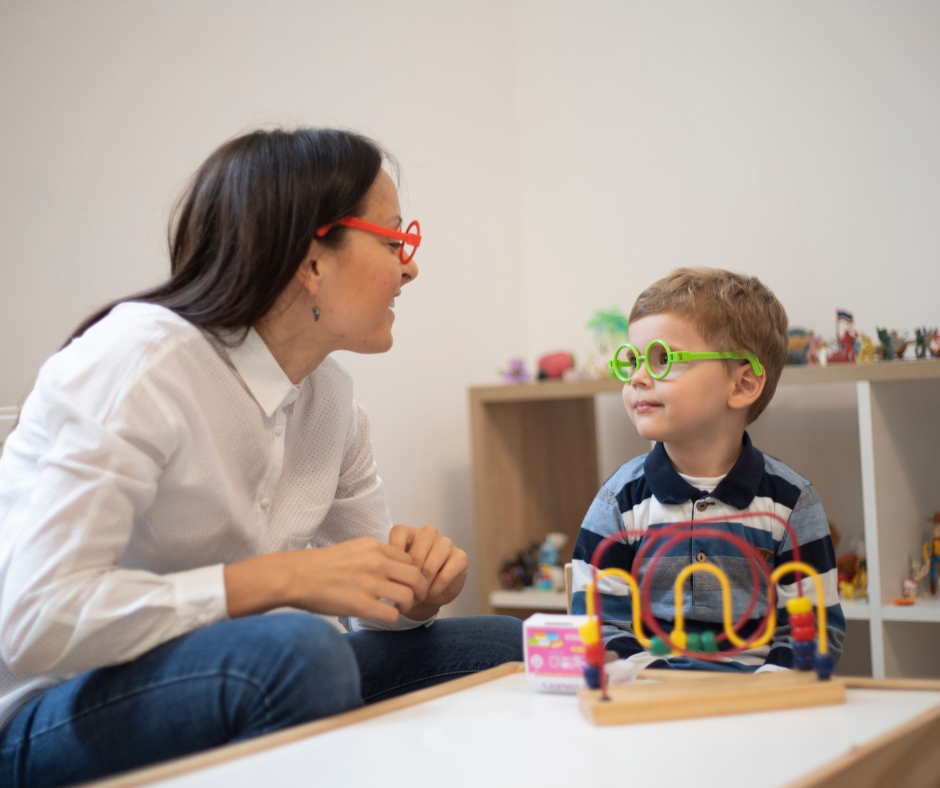
Feeling stuck with the youngest, most vulnerable clients?
Working with infants, toddlers, and their caregivers can feel overwhelming. You know trauma and attachment matter—but traditional therapy training didn’t prepare you for:
-
Engaging babies and toddlers in treatment when they can’t yet use words.
-
Navigating complex caregiver–child dynamics, especially when caregivers have their own trauma.
-
Applying trauma-informed, evidence-based interventions in real-life sessions.
-
Feeling effective and confident instead of guessing what might help.
-
Managing intense cases without burning out or feeling isolated.
Many clinicians want to make a real difference—but lack the structured tools, hands-on guidance, and peer support needed to work effectively with young children and their families.
That’s where the Child Parent Psychotherapy (CPP) Learning Collaborative comes in: a proven, relationship-based approach that gives you the skills, confidence, and support to transform early childhood mental health care.
What is Child-Parent Psychotherapy (CPP)?
CPP is an evidence-based, trauma-informed treatment for children ages 0–5 and their primary caregivers. It emphasizes strengthening the caregiver-child relationship and supporting healthy development, especially in cases involving trauma, mental health issues, attachment, or behavioral challenges.
Delivered in a dyadic format, CPP considers how trauma, both the child’s and caregiver’s, as well as relational history and sociocultural factors, affect the child’s well-being.
The therapy aims to address maladaptive beliefs, behaviors, and interactions, and helps caregivers and children create a shared narrative of traumatic experiences to foster emotional regulation and healing.
Benefits of Child-Parent Psychotherapy

Improves attachment security & enhances quality of the caregiver-child relationship

Helps parents re-interpret children’s behavioral signals and respond sensitively.

Decreases externalizing and internalizing behavior problems in young children

Enhances children's behavioral and regulatory capacity
Reduces PTSD symptoms in children
Reduces maternal depression and PTSD symptoms.
Treat early childhood trauma with confidence while supporting healthier caregiver–child relationships.
Trauma in infants and toddlers leave children more vulnerable to long-term mental health difficulties.
As mental health professionals working with children, knowing how to approach infant and childhood cases with an evidence-based and relationship-based approach can be life changing for these little ones.
After completing the CPP Learning Collaborative, professionals can face their caseload with a new trauma-informed perspective that aids in supporting healthy development, mental health issues, attachment, and/or behavioral challenges.
If you work with children and their caregivers, this training will teach you to use a proven dyadic approach to help families rewrite their trauma stories and restore connection.
“CPP has provided our CAC with an effective way to reach a vulnerable population that previously had limited therapeutic options: Young children 5 and younger with trauma histories. It is amazing and inspiring to experience when these children, including non-verbal toddlers, are able to process their traumatic experiences and heal through their attachment to their caregivers.”
-Lisa Pirwitz, LMSW; Bloom Therapy Center

Child-Parent Psychotherapy Learning Collaborative
This collaborative is designed to give you:
-
A deep understanding of infant and early childhood trauma
You will learn how trauma shows up in babies and young children (0–5), how it affects development and behavior, and how caregiver trauma also shapes the child’s experience. -
Skills to strengthen the caregiver–child relationship
You learn how to observe interactions, identify strengths and stress points, and support caregivers in building secure, nurturing, and responsive relationships with their child. -
A dyadic, relationship-based treatment approach
You will practice delivering therapy with both caregiver and child present, using real-time interactions as part of the intervention. -
Tools to address attachment, behavioral, and emotional challenges
You will learn strategies for helping caregivers understand and respond to their child’s needs, reframe challenging behaviors, and promote emotional regulation. -
Guidance on creating a shared trauma narrative
You will learn how to help the caregiver and child create a coherent, age-appropriate story about difficult or traumatic experiences—an essential part of healing. -
Competence in supporting caregivers’ reflective functioning
You will be equipped to support caregivers in understanding their own histories, emotions, and triggers so they can show up differently for their child. -
Attention to cultural and contextual factors
CPP training emphasizes working through a sociocultural lens—honoring family culture, community context, identities, and systemic stressors. -
Skills to shift maladaptive patterns
You will learn how to identify harmful cycles in beliefs, behaviors, and interactions—and guide families toward healthier, more attuned patterns. -
Therapist stance and core CPP principles
You will develop key components of the CPP stance: being present, collaborative, nonjudgmental, trauma-informed, and relationship-focused.
Transform early childhood trauma, one relationship at a time.
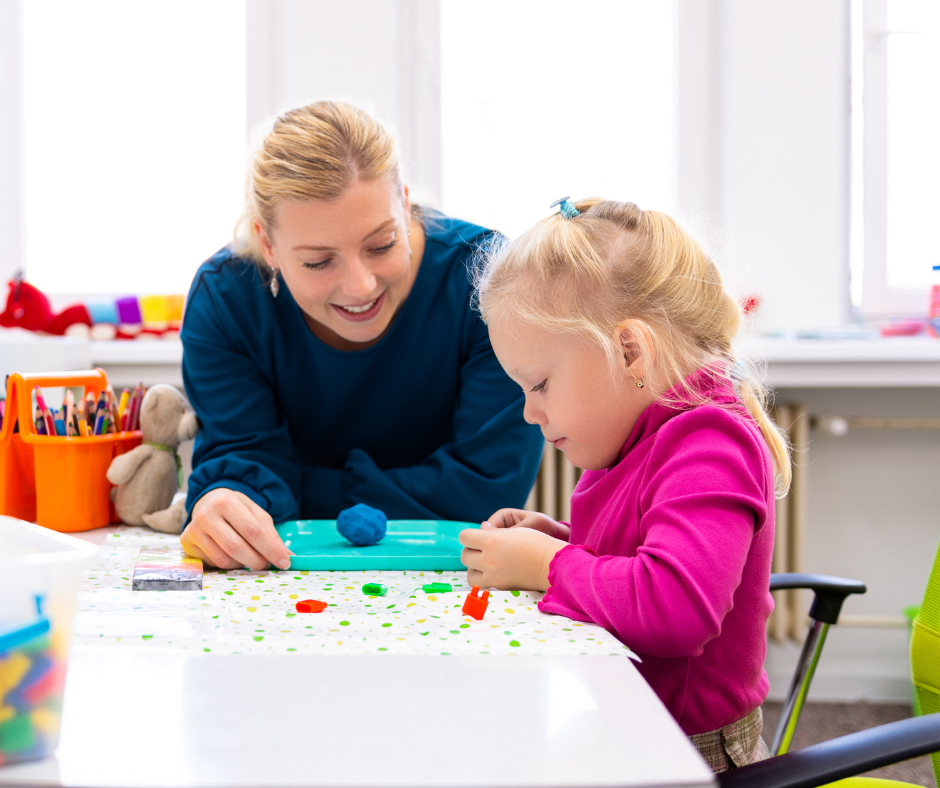
"CPP has changed the way I approach therapy with littles and their families. [It] is an all-encompassing approach that utilizes my skills and knowledge from play therapy, trauma-informed care, and family systems approaches. CPP not only allows for the clinician to be with the client, but it also highlights the importance of the caregiving system which is often overlooked in trauma approaches. The caregiver's experience is important and a valuable part of the healing process for both the guardian and client. "
- Stefanie Scott, MMFT, LMFT, Modern Wellness Family Counseling
CPP Learning Collaborative Details:
Core components:
- Three multi-day learning sessions (didactic and competency-building).
- Reflective CPP supervision.
- Twice-monthly consultation calls.
- Active learning through providing CPP to families.
- Two case presentations.
- Fidelity monitoring to ensure adherence to the CPP model.
Educational/License Requirement:
- At the start of training, the participant is a Master's or doctoral-level psychotherapist with a degree in a mental health discipline.
- Unlicensed staff are eligible only if they are supervised by a licensed team member who participates in the training or by a team member already trained in CPP.
Pre-Course Training
On Demand:
- Pathway to IECMH Clinical Practice
- Intro to IECMH Practice and Assessment
- Reflective Practice/Supervision
- Introduction to Play Therapy
- Safe Babies Court Overview and Clinicians' Role in Working With Child Welfare-Involved Cases
Virtual and Live:
- IECMH Assessment: WMCI
- March 17-19, 9 am - 1 pm
- IECMH Assessment: Crowell Procedure
- April 14-16, 9 am - 1 pm
CPP Training Info
Learning Sessions:
- Session 1: North Charleston (lodging and meal accommodations included)
- May 18-20, 2025
- Session 2: Virtual
- November 18th & 19th, 2026
- Session 3: Virtual
- May 2027
Additional Expectations:
- Twice-monthly, one-hour CPP consult calls with trainer
- Twice-monthly, 90-minute Reflective Consultation with IECMH Clinical Mentor & CPP Supervisor
- Case facilitation & fidelity monitoring
How to apply:
Due to the limited spots and specific licensure requirements for this learning collaborative, we will accepting applications for review. Our trainers will review your application and reach out to you via email with follow up questions or information on moving forward in the process.
- Fill out the CPP Learning Collaborative application form here: 2026-2027 CPP Application
- Clinicians and Supervisors meet with SCIMHA Clinical Director to confirm understanding of commitment to training.
- Complete pre-training
This is an 18-month CPP Learning Collaborative, generously funded by the Duke Endowment to support families served by South Carolina's Safe Babies Court (SBC) Program.
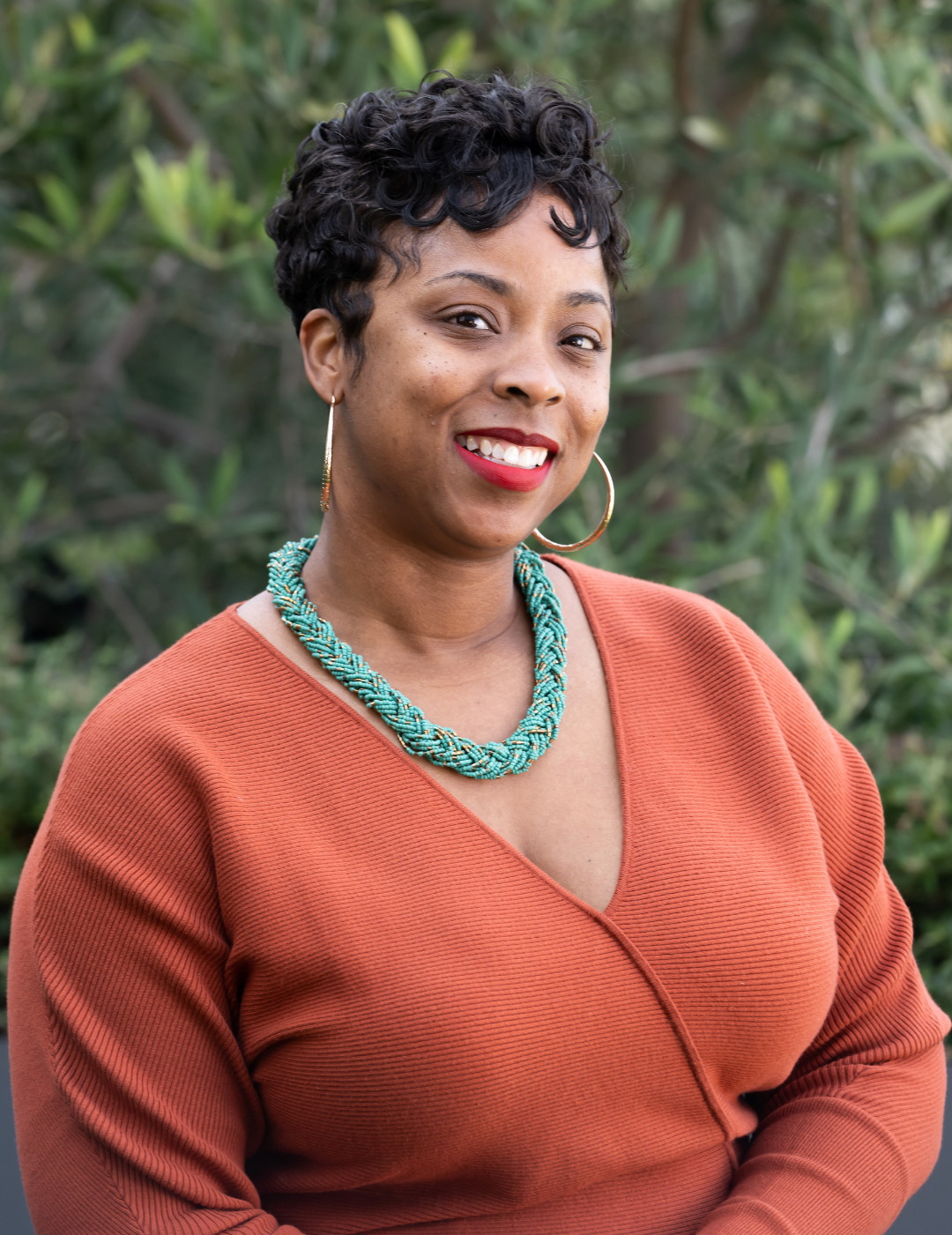
Meet Your CPP Trainer:
Markita Barideaux
Markita Barideaux, LCSW, (she/her/hers) a licensed clinical social worker, is co-Director of EMBRACE Perinatal Care for Black Families and co-Director of Perinatal Mental Health at the Child Trauma Research Program in the Department of Psychiatry and Behavioral Sciences at the University of California San Francisco. She joined CTRP in 2010 as a post-master’s clinical fellow and has been on staff since 2012. She provides clinical services; supervision to clinicians in training; and is a national trainer for the dissemination of Child-Parent Psychotherapy.
In addition to direct service and clinical training, Markita has pursued advocacy on behalf of children of incarcerated parents. She is the co-Founder of the Alameda County Children of Incarcerated Parents Partnership (ACCIPP), which is a regional coalition focused on those who work with or are concerned about children of incarcerated parents. In her work with ACCIPP, she served as a consultant with Sesame Street on the development and implementation of their toolkit, Little Children, Big Challenges: Incarceration.
She is the 2020 recipient of the Zero To Three Emerging Leader Award, served as a Dean Diversity Leader (2016-2018) for the UCSF School of Medicine Differences Matter Initiative, and the 2015 UCSF Chancellor Award for Dr. Martin Luther King, Jr. Leadership.
Markita is committed to understanding the intersection and intergenerational patterns of race and trauma for African American families and communities and has a special interest in healing interventions rooted in spiritual/indigenous practices and traditions.
Meet Your Clinical Director:
Dr. Mackenzie Soniak
I’ve worked across the lifespan throughout my career, but I have a special passion for working with young children and their families. I earned my doctorate from Antioch University of New England, with a concentration in child clinical psychology. I completed my pre-doctoral internship in Infant Mental Health at Tulane University School of Medicine and post-doctoral fellowship at the University of Colorado School of Medicine with the Irving Harris Program in Child Development and Infant Mental Health. During this time, I also specialized in working with mothers and fathers during pregnancy and the postpartum period. I am endorsed as an Infant Mental Health Specialist by the Alliance for the Advancement of Infant Mental Health.
I moved to South Carolina in 2020 to be with family. In my free time I enjoy spending time on the water, cooking with my family, and practicing yoga.

Interested in joining us?
Please fill out our application form to take the next step. Dr. Mackenzie Soniak will then reach out to discuss the training with your team.
Fill Out ApplicationFAQs
Can CPP services be billed?
What if I'm unable to attend all the training dates?
Can I get CEUs?
What is required for roster eligibility?
About SCIMHA
SCIMHA is a collaborative, multidisciplinary membership association for all infant-, early childhood- and family-serving professionals in South Carolina. As a hub for healthy social and emotional development resources, we help babies thrive.
Our services, supports, and infant and early childhood mental health (IECMH) professional development programs promote healthy growth for young children, help prevent mental health issues, and provide opportunities to treat mental health disorders early.
In addition to professional development, we connect caregivers to the resources and professional services critical to babies’ well-being and advocate for a connected system of care across the state to improve quality of life outcomes for young children.

“Every day infant and early childhood professionals work with babies and families to promote healthy development, repair relationships, and create a solid foundation for lifelong mental health. It’s difficult and emotional work, and it’s why SCIMHA was founded — to support you in this critical endeavor.”